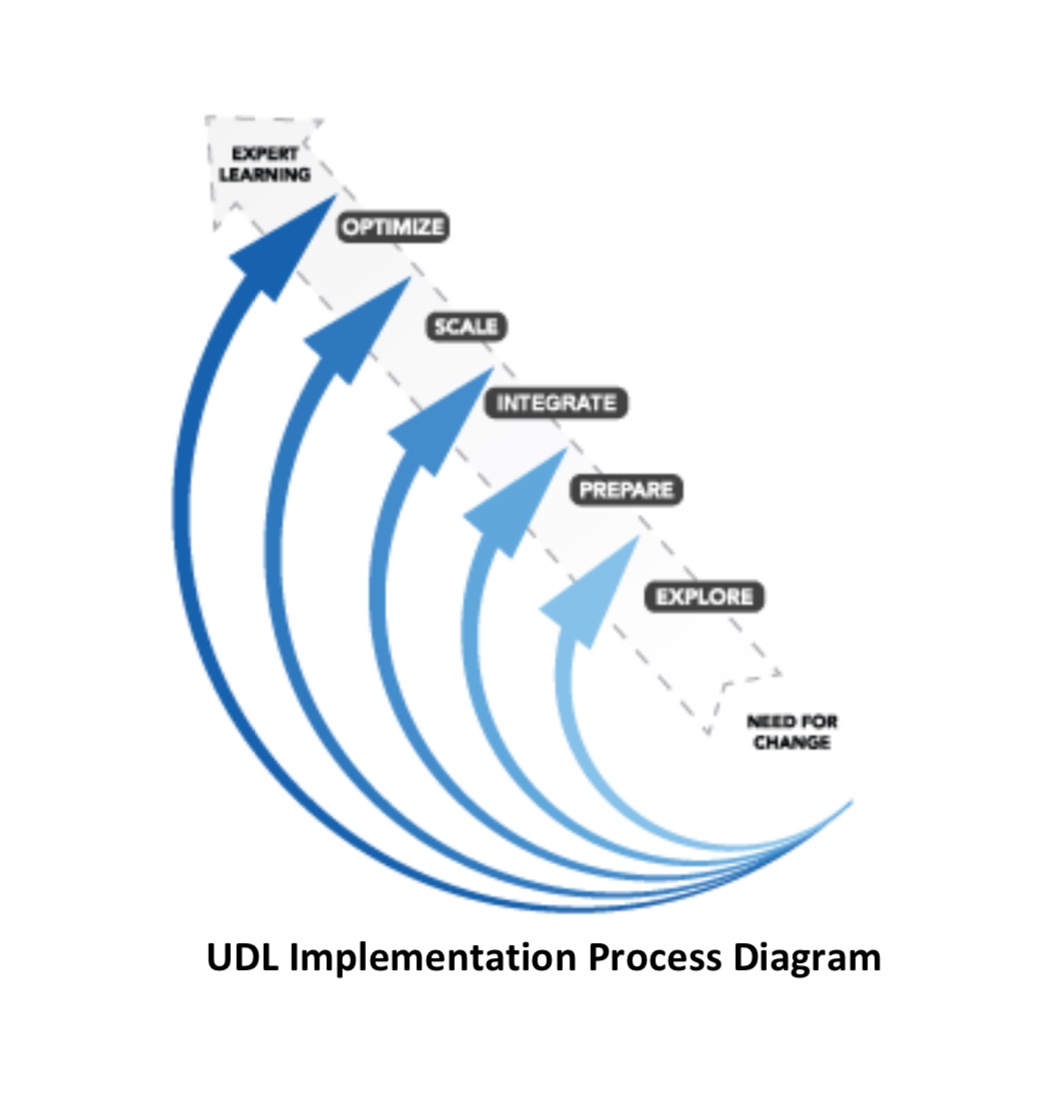
Q1: How does a thoughtful system of planning for UDL implementation reduce barriers and build learner expertise? What are some examples of these steps that you took away from Dr. Croasdaile’s presentation? (Think about how these might be considered in your initial phases of your UDL plan.)
Before UDL can be utilized, there are a series of steps that must be taken to ensure success. One of these includes planning. One important component in this step is conducting a needs assessment. “By having a comprehensive needs assessment, we know what the most pressing issues are and by having a community-based vision, we know what things the community cares about and is excited and willing to provide support” (Novack & Rodriguez, 2016). Before we can really dive in and start implementation of UDL, it’s important to understand the unique needs of the school/establishment so we can set them up for success early on.
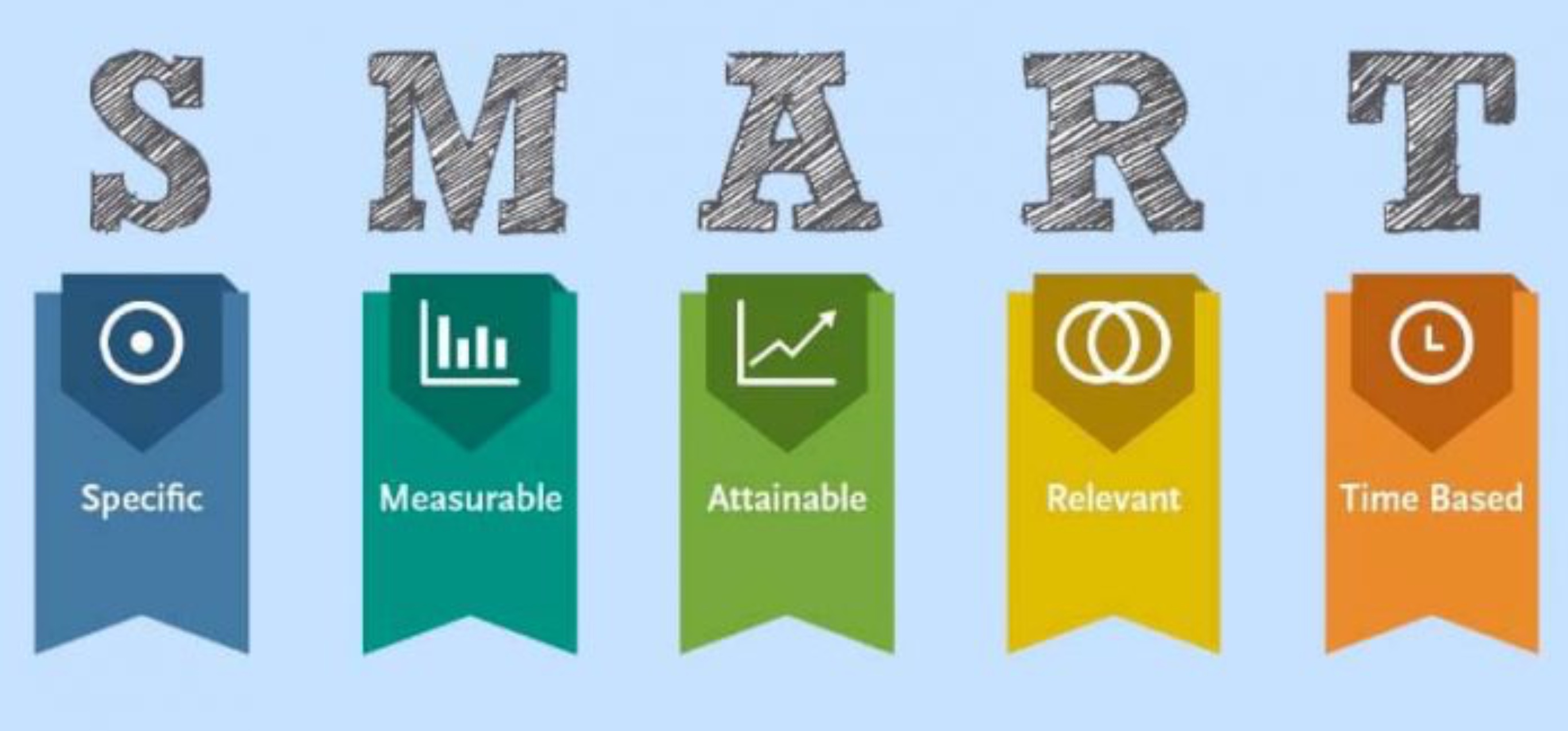
It’s also important to keep the UDL Guidelines in mind throughout every step of the process, particularly “guide appropriate goal setting” under Executive Functioning in Action and Expression (CAST). For example, “The UDL Guidelines remind us that in order to build a district’s executive function, we must guide appropriate goal-setting, support strategy development, manage information and resources, and enhance capacity to monitor progress” (Novack & Rodriguez, 2016). Croasdaile echos the importance of goal setting in executive functioning during her talk. She puts emphasis on the importance of scaffolding self regulation in order to achieve successful executive functioning. She states,“We have to be able to scaffold self regulation because they lose their expectations and beliefs that optimize motivation. They lose their ability to self accept and reflect” (Croasdaile, 2019).
Another cornerstone in reducing barriers and building learner expertise comes from effectively utilizing multiple means of representation. Thanks to technological advances, creating opportunities for multiple means of representation has never been easier. In fact, technology is something that should be considered early on in the planning phase. “A technology plan is also a critical aspect of a district’s larger UDL strategy. Managing technology requires a strategy of it’s own, which aligns with the district’s vision and larger strategy” (Novack & Rodriguez, 2016). Croasdaile reflected on an experience she recently had in a science classroom. The students were expected to know the scale of planets to everyday objects for the state test. In the past, teachers had to bring in physical objects such as peppercorns, because students didn’t know what they were. Now, students can easily use Google to identify a peppercorn. They can even dig deeper and learn more information about the peppercorn or whatever object they’re looking at.
Q2: What are some strategies that you extracted from this week’s readings and presentations that you are considering for your UDL Systems Change Plan- specifically for your beginning readiness and planning phase?
First and foremost, I plan on conducting a needs assessment, like mentioned above. Before I start planning, I want to get a feel for what is important to the people I work with and where they feel there are the most deficits that need to be addressed. This will give me the initial blueprint I need to move forward with the planning phase of my UDL action plan.
Second, I’m considering for my UDL Systems Change Plan is incorporating Professional Development. I think this is especially crucial in my work environment because while we work with transition age youth, I’m the only one on our team that has any kind of background in education. Therefore, my co-workers have probably never even heard of Universal Design for Learning. I work in a Department of Economic Development govenment position, so there’s not a significant amount of emphasis put on educational practices.“Investing in these professionals ensures that all members of the teaching and learning team have a shared understanding of best practices, a commitment to the district strategy, and the ability to implement the evidence-based strategies that will result in the most effective student outcomes(Novack&Rodriguez,2016) . One of the most important things to focus on when planning this professional development will be to recruit interest. “In order to build engagement, it’s important to understand what PD is relevant and meaningful for your staff”(Novack & Rodriguez, 2016).
Third, I really liked some of the resources that Croasdaile shared in the presentation in relation to goal-setting. For example, the GROOWS strategy looks like something that would be great for utilizing with our youth during the summer jobs program. I think it would also be appealing to the other staff on my team.

References:
Croasdaile, S. (2019). UDL applied to practice-a focus on instruction. Retrieved from https://zoom.us/recording/share/WMMQeKnertA_j3lvl7zxmF8TWtj0WOOaASjsuXsSaRSwIumekTziMw
CAST (2018). UDL: The UDL Guidelines. Wakefield, MA.
Novak, Katie, and Kristan Rodriguez. Universally Designed Leadership: Applying UDL to Systems and Schools. Cast Professional Publishing, 2016.
 Katelyn’s Reflections on UDL